
Christine WasikeNairobi

I build software that gets out of the way.

I'm drawn to the moments where money, health, community and public services quietly depend on software working. Over the last decade I've kept asking the same question: how does the technology fade into the background so people can get on with what actually matters?

The story

I got into engineering for the craft. I stayed for the consequences.

My first products were about getting things to work. The ones that followed were about what happens when they do — a clinic that runs smoother, a musician who gets paid, a citizen who doesn't lose a day to paperwork. That shift changed how I build.

These days I sit where engineering, product and business meet: choosing what to build, deciding what to leave out, and helping teams hold a high bar while still shipping. I'm most interested in the next decade of African products — the ones that will be built here and used everywhere.
What I believe

  1. 01

    Start with the person, not the platform

    Every product I've worked on serves someone in a moment of pressure — paying a bill, tracking their health, navigating a court process. The technology is only as good as the calm it creates.

  2. 02

    Constraint is a creative advantage

    Building in African markets means designing for patchy networks, older devices, and real trust gaps. Those constraints produce better products than abundance ever does.

  3. 03

    Teams outlast features

    The work I'm proudest of isn't a screen. It's the engineers who grew, the decisions that held up, and the systems still running long after I moved on.

Chapters

Not a portfolio — four stages of the same journey, each one teaching me something the last one couldn't.

  1. Chapter 01

    BeatBnk

    Music & culture

    Bringing artists, venues and fans into one place — a bet that the creative economy needs infrastructure, not just audience.

  2. Chapter 02

    meWell

    Healthcare

    Health software people actually open. The hard part was never the code; it was earning trust in a category where hesitation is the default.

  3. Chapter 03

    Seen

    Social

    An experiment in lighter, more human sharing — and a lesson in how much product taste matters when everything is technically possible.

  4. Chapter 04

    Judiciary Process Improvement

    Public systems

    Digitising court processes taught me that the biggest engineering problems are often institutional. Change moves at the speed of trust.

On stage

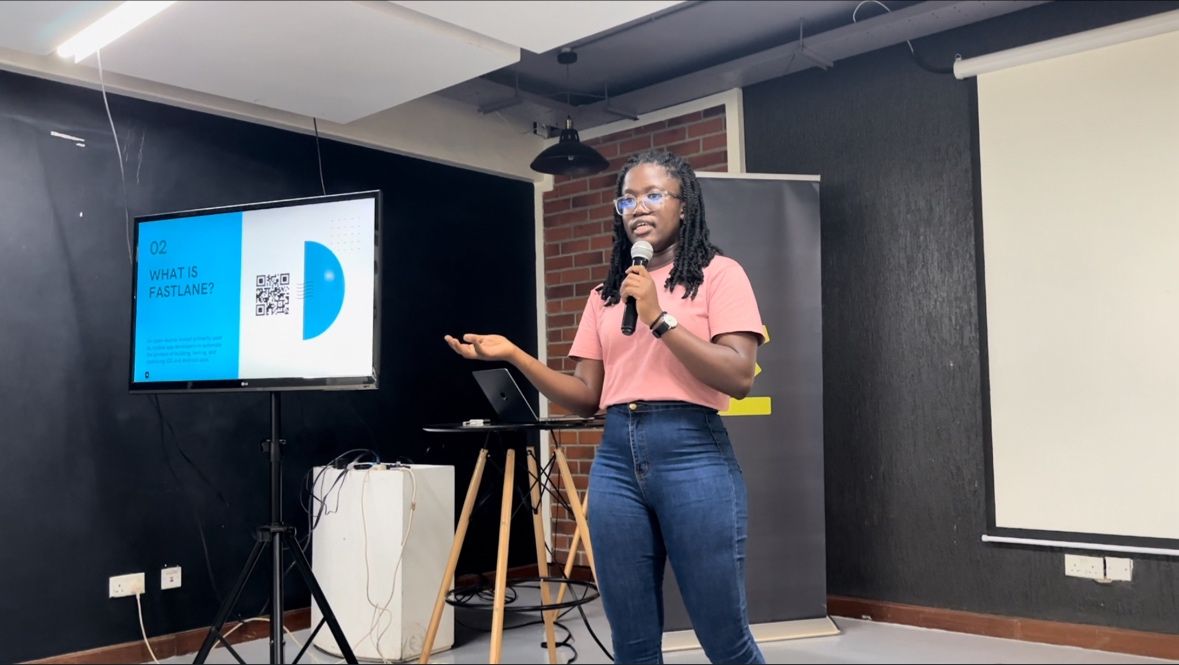
I speak about the unglamorous parts — the ones that decide whether a product survives.

Christine Wasike speaking on stage with a microphone beside a presentation screen

Upcoming

  • FlutterCon Kenya

    What production teaches you that tutorials never will.

  • Droidcon Kenya

    Architecture that survives the product changing its mind.

Future talks

  • Open to invitations

    Stages, panels and workshops — especially with builders early in their journey.

Community

The best parts of this work happen in rooms full of other builders.

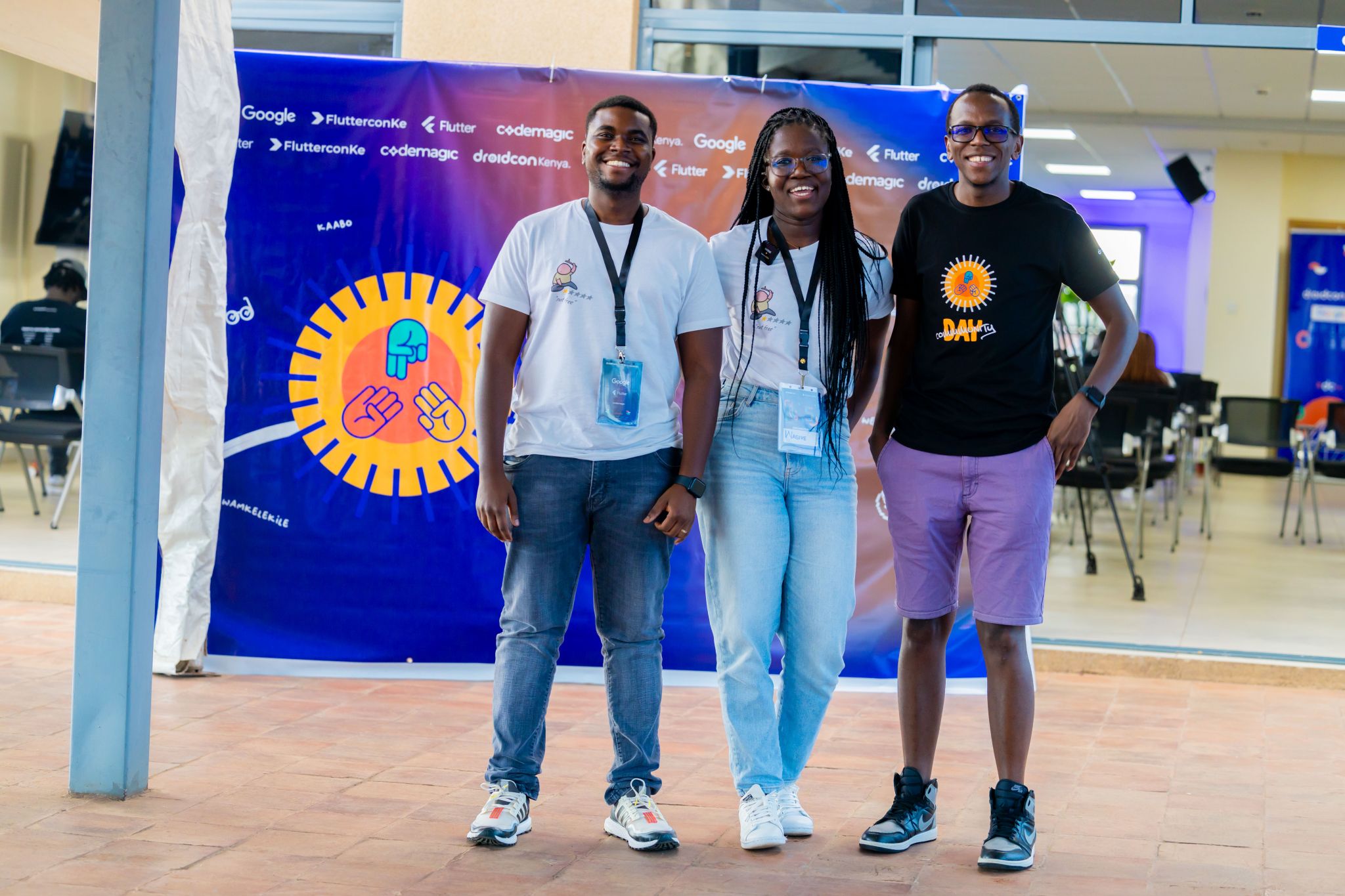
Nothing good gets built alone. I organise and show up with Flutter Kenya and Women Techmakers, mentor engineers finding their footing, and spend a lot of weekends at developer events across Nairobi. It's the part of the work that compounds quietly — and the part I'd least like to give up.

Christine Wasike with fellow organisers at a FlutterCon and Droidcon Kenya community event
“Technology should feel invisible. The best software helps people achieve their goals without making them think about the software itself.”

Say hello

Have an interesting problem? Let's build something thoughtful together.